



Pulsed Electromagnetic Field (PEMF) therapy has long been a trusted tool in human health for supporting bone repair, reducing inflammation, and easing pain. Now, as pet owners and veterinarians seek non-invasive, drug-free options, PEMF is stepping into the spotlight for animals too. With the upcoming launch of wearable Earthband devices designed to clip easily onto pet collars, many are wondering: what does the science actually say about PEMF for dogs, cats, and horses?
At its core, PEMF uses low-frequency electromagnetic pulses to interact with the body’s cells. Unlike static magnets, these pulses create a dynamic field that penetrates tissues, influencing cellular processes at a fundamental level. Research shows PEMF can enhance calcium signaling, boost nitric oxide production (which improves blood flow and reduces inflammation), activate heat shock proteins for cellular repair, and upregulate adenosine receptors for anti-inflammatory effects. Rehab
A comprehensive 2018 review in Research in Veterinary Science by Gaynor and colleagues analyzed clinical evidence and concluded that PEMF shows accumulating support for specific indications in animals, including bone healing, wound healing, osteoarthritis, inflammation, and post-operative pain and edema. The therapy is described as safe and non-invasive, with potential as a standalone or adjunctive treatment. ScienceDirect
However, a 2022 systematic review of electrotherapies (including PEMF) in horses, dogs, and cats was more cautious. After screening thousands of articles, researchers identified 13 PEMF-specific studies (3 in horses, 9 in dogs, 1 in cats). While half had low risk of bias and several showed promising results—particularly for intervertebral disc disease, spinal cord injury recovery, osteotomy healing, and osteoarthritis—the overall evidence was deemed insufficient for strong clinical recommendations due to small sample sizes, varying protocols, and inconsistent outcomes. The authors called for more high-quality research but highlighted PEMF as one of the modalities warranting further investigation. Mdpi
Let’s break down the species-specific research.
Dogs: The Strongest Evidence Base
Canines have been the focus of the most rigorous PEMF studies. In experimental models of tibial osteotomies (a common surgical model for bone healing), daily low-frequency PEMF led to faster bone formation, greater mechanical strength, and earlier weight-bearing compared to controls. Rehab
Osteoarthritis (OA)—a leading cause of chronic pain in dogs—has also been studied extensively. One notable trial compared 20 sessions of PEMF to NSAID treatment (firocoxib) in dogs with clinical and radiographic OA. Both groups improved initially, but PEMF effects on pain, lameness, and function were sustained longer in follow-up, suggesting potential advantages over pharmaceuticals alone for long-term management. More recent work (2025) showed PEMF-treated dogs with hip OA experienced significant improvements in gait symmetry by day 42, with trends toward reduced pain scores. Linkspringer Researchgate
Post-surgical applications are equally compelling. In a randomized, sham-controlled study of dogs undergoing spinal decompression for intervertebral disc extrusion, targeted PEMF (applied 15 minutes every 2 hours initially) significantly reduced incision-site pain, lowered inflammatory biomarkers, and improved proprioception versus controls. ScienceDirect
Horses: Performance and Orthopedic Support
Equine research is more limited but growing, driven by the performance-horse industry. A 2022 survey of owners, trainers, and PEMF administrators found widespread use, with 85% of riders reporting application on performance horses. Whole-body treatments were most common, and many perceived benefits within one day—particularly for back/loin or leg issues. Pmc.ncbi.nlm.nlh
For osteoarthritis, a 2025 study on Thoroughbred mares with tarsal joint OA found a single 30-minute PEMF session temporarily reduced lameness scores (assessed by blinded veterinarians) one hour post-treatment, though objective inertial sensor data showed mixed results and effects faded after a day. Earlier work suggests PEMF can accelerate bone repair, with some studies reporting up to 100% increases in newly deposited bone tissue in equine models. Thehorse Propulsionequine
Stress and recovery applications are also under exploration. One trial using a PEMF blanket showed increased relaxation behaviors in horses compared to no-blanket controls, though cortisol levels didn’t change significantly—pointing to potential behavioral benefits that merit larger studies. ScienceDirect
Cats: Emerging but Limited Data
Feline research lags behind, with only one study identified in the 2022 systematic review. Ongoing trials are investigating PEMF for OA-related pain in older cats, recognizing that non-pharmaceutical options are especially valuable for felines who can be sensitive to medications. Early interest stems from PEMF’s anti-inflammatory properties and ease of at-home use via wearable devices. Vetmed.vt
Safety and Future Directions
Across all species, no significant adverse effects have been reported in the reviewed studies. PEMF is generally considered well-tolerated, with treatment parameters (frequency, intensity, duration) varying by device and condition. The 2022 review emphasized that while suggestive results exist for bone healing, OA, and spinal recovery, standardized protocols and larger randomized controlled trials are needed. Mdpi
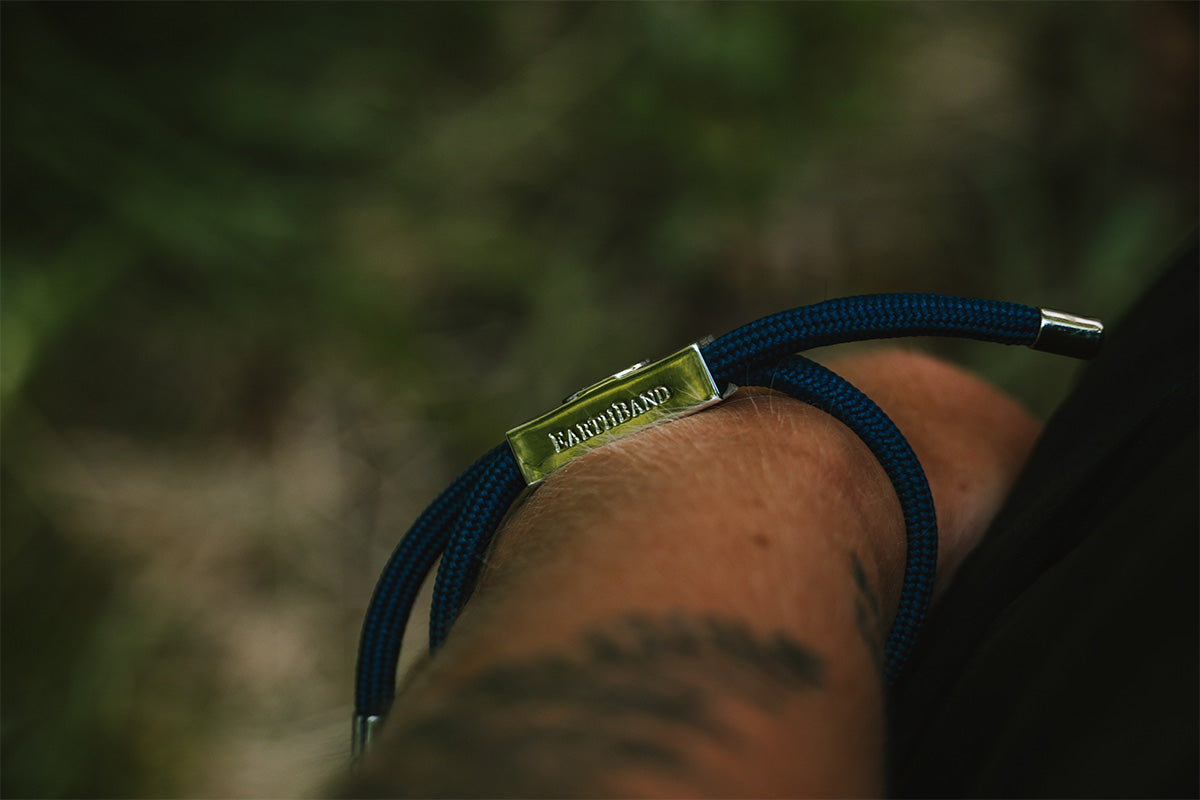
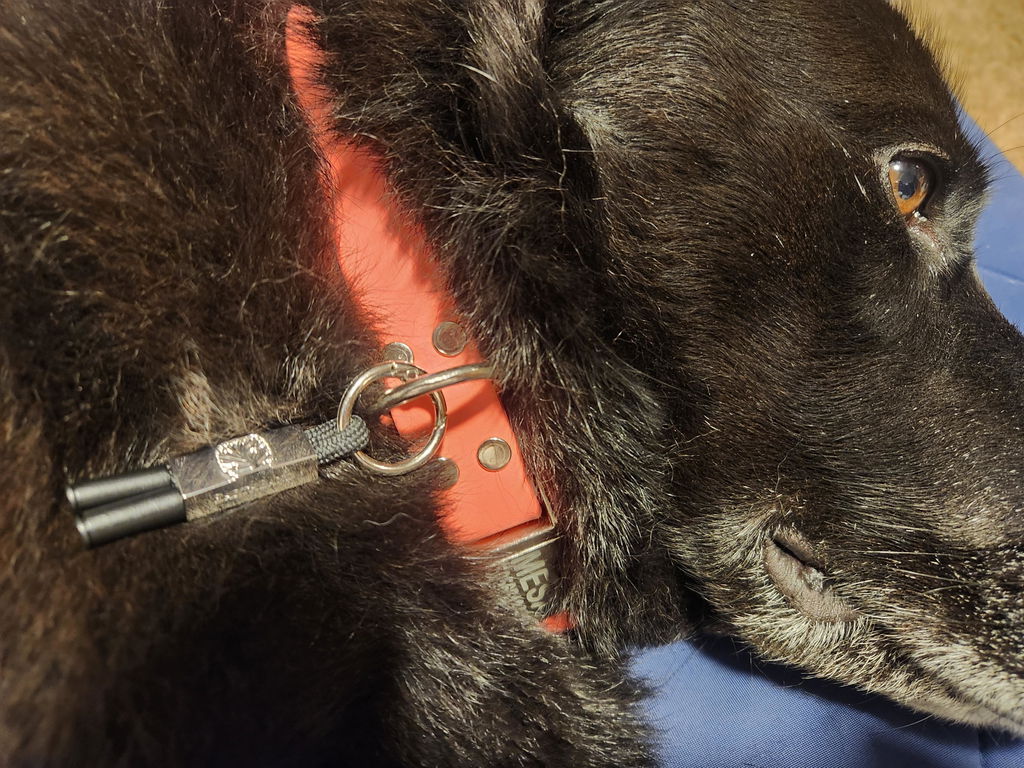
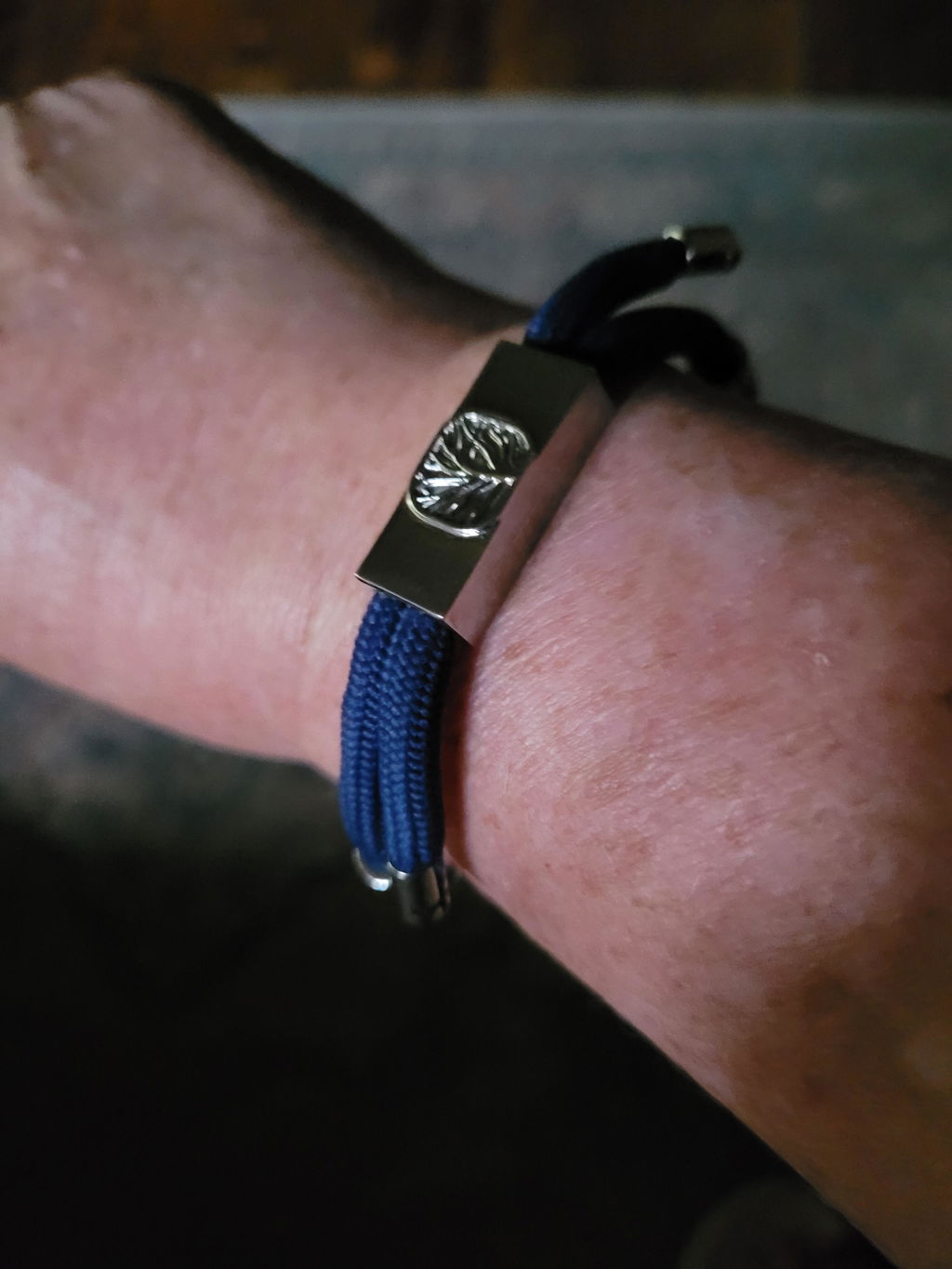
As wearable PEMF technology advances—such as the new Earthband pet clip-on version of the popular human bracelets—delivering consistent, low-maintenance therapy becomes simpler for pet parents. These devices allow targeted or whole-body exposure without sedation or clinic visits.
In summary, the science paints a picture of PEMF as a promising biophysical tool that may support the body’s natural healing processes in pets. While not a miracle cure, the body of evidence—particularly in canine OA, post-operative recovery, and equine bone health—suggests meaningful benefits when used as part of a multimodal approach. Pet owners interested in exploring PEMF should consult their veterinarian to determine if it fits their animal’s specific needs. As research continues to evolve, wearable PEMF solutions like the Earthband could make these benefits more accessible than ever.



Share:
PEMF Therapy for Everyday Pet Wellness: Practical Benefits, Real-World Applications, and Why It’s Gaining Traction in Veterinary Care
Exploring the Synergy Between Grounding and PEMF Therapy